
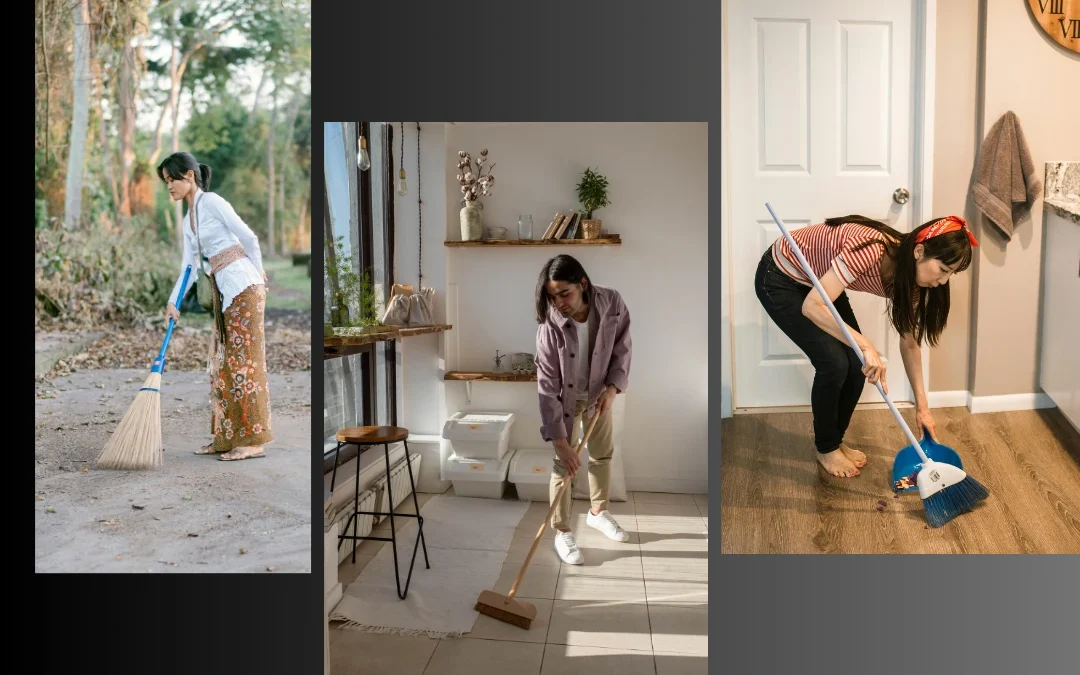
Did you know that some countries still thoroughly clean their entire homes—inside and out, top to bottom—at the end of every year? This is not just a simple cleaning routine, but an ancient ritual that dates back thousands of years, believed to ward off bad luck and invite good fortune.
Cleaning at the end of the year is not just maintenance; it is a thorough deep cleaning, a symbolic act of purification and preparation. The goal is to sweep out the dust and burdens of the previous year—bad luck, misfortune, clutter, and unfinished business—to make both physical and energetic room for prosperity and new opportunities.
In many cultures, people do more than just clean; they also repaint their homes in preparation for the New Year. This act creates hope for families, brings everyone together, and celebrates a shared belief in renewal. This tradition strengthens family bonds and helps people focus on what truly matters. Is this still true in today’s world? Let’s find out together.
End-of-the-Year Cleaning: What It Means
End-of-the-year cleaning not only helps you achieve a clean and decluttered home, but it is also a major tradition celebrated in many countries, including Japan, the Dominican Republic, China, Iran, and Haiti.
From December 13th to December 31st, households are filled with excitement as families clean, paint their homes, and prepare to welcome the New Year.
In Haiti, it is believed that cleaning the house at the end of the year removes curses and bad luck from the current year while inviting better fortune in the year ahead. In countries such as Iran, Japan, China, and the Dominican Republic, the meaning is largely the same.
The end of the year is a time when families from around the world gather in one place to celebrate together.
The Big End-of-the-Year Cleaning Tradition
I remember when I was a boy, we would take an entire day—usually around December 22nd or December 23rd—to do a thorough cleaning of the whole house.
We started in the kitchen, removing all vessels from the cabinets, cleaning the cabinets inside and out, and washing every single item before placing them back.
The kitchen was cleaned from top to bottom. Every room and bathroom was thoroughly cleaned. Windows were washed inside and out, and the exterior of the house was cleared of grass, dust, and spider webs.
The idea was to welcome the New Year with the hope that whatever was left undone in the previous year would be accomplished in the year ahead.
The end of the year is not only a celebration of love, where families come together, but also a time to start fresh—when problems and unfinished business lose their hold and people feel ready to begin a new chapter.
This tradition dates back 2,000 to 3,000 years and is celebrated in many countries. Even though each culture has a different name for it, the idea is the same: families come together, spend meaningful time with one another, forget about daily pressures, and simply enjoy the moment.
The Big Sweep: The Ancient Ritual of End-of-Year Cleaning
External clutter often reflects internal stress, creating a direct connection between a messy home and mental overwhelm. When living spaces are disorganized, the brain processes constant visual distractions, which can increase anxiety, reduce focus, and elevate stress levels.
End-of-year deep cleaning helps break this pattern by restoring order and structure to the home. As clutter is removed and surfaces are cleaned, individuals regain a sense of control over their environment, leading to improved mental clarity and emotional balance.
This cleaning tradition supports stress relief, promotes a calm mindset, and creates a clean, organized space that encourages relaxation and productivity. By decluttering and deep cleaning before the New Year, homeowners can reduce mental stress, improve overall well-being, and start the year feeling refreshed, focused, and in control.
Countries That Take End-of-Year Cleaning Seriously
Here are a few countries that continue to honor the end-of-year cleaning tradition and what it means to them.
Japan: Ōsōji (The Big Cleaning)
A deeply rooted spiritual purification ritual designed to prepare the home for Toshigami, the Shinto deity of the New Year who brings health and good fortune.
This includes Susuharai (“soot sweeping”), a meticulous cleaning of hard-to-reach places such as high corners and window sills to remove the impurities of the past year.
Traditionally begins after December 13th.
China: Sweeping Away the Dust
The word for “dust” in Chinese is a homophone for “old,” making cleaning symbolic of driving away the bad luck of the previous year.
Rooms are swept from the entrance toward the center, with trash taken out through the back door to keep the front door clear for good luck to enter.
Cleaning is strictly forbidden on New Year’s Day, as it is believed to sweep away newly arrived good fortune.
Iran: Khaneh-Tekani (Shaking the House)
A deep, thorough cleaning performed before Nowruz (the Persian New Year) to ensure everything is spotless for a new beginning.
The entire family participates, often washing carpets and repainting the home.
Dominican Republic / Hispanic Communities: Limpieza de Año Nuevo
A detailed cleaning that includes clearing out cupboards and drawers.
Sweeping from the inside out symbolizes sending problems, conflicts, and bad energy away with the old year.
Old brooms are often thrown out before midnight to prevent carrying bad luck into the New Year.
The “New Year’s Cleanse” Checklist:
The Kitchen: Remove all vessels from cabinets, clean the cabinets, and clean all vessels as well (to remove bad luck and make room for prosperity).
Pantry Purge: Get rid of expired or unused food, symbolizing waste and lack.
The Wardrobe Release: Clear out clothes you no longer wear, releasing the “old you.”
Clean All Windows: Clean windows inside and out to clear the way for new prosperity.
The Front Door Sweep: Clean the entryway to invite new energy and opportunities.
Settle Old Accounts: Pay outstanding bills or mend strained relationships.
As mentioned above, no cleaning should be done on New Year’s Day, as seen in Chinese and Japanese traditions. Brooms should also be put out of sight to preserve incoming good luck.
Conclusion
A thorough end-of-year cleaning offers many benefits. A clean and decluttered home provides clarity, purpose, and peace of mind. It boosts morale, improves social confidence, and removes the fear of inviting friends over or hosting gatherings.
Try your own symbolic clean and welcome the New Year with a truly blank slate. Roenter provides professional end-of-year cleaning services for busy parents and professionals who don’t have the time to clean themselves. Get a cleaning quote today.
A clean home is not just tidy; it is a prepared and purified vessel, ready to receive the fortune the New Year promises. By sweeping away the year’s dust, you transform your home from a storage space of the past into a bright, open vessel for the future. When the dust of the old year is gone, your home becomes a powerful, sacred space, ready to welcome luck, prosperity, and renewal.
Do you believe in tradition? If yes, leave a comment below.
Frequently Asked Questions (FAQ)
End-of-year deep cleaning helps reduce stress, improve mental clarity, and create a clean, organized environment. It symbolically closes the past year and prepares the home for renewal, productivity, and positive energy in the New Year.
End-of-year cleaning is a deep cleaning tradition practiced before the New Year to remove clutter, dirt, and negative energy from the home. It goes beyond regular cleaning and focuses on resetting the space for a fresh start.
An end-of-year deep cleaning typically includes detailed cleaning of kitchens, bathrooms, bedrooms, windows, cabinets, floors, entryways, and hard-to-reach areas. It may also involve decluttering, pantry cleanouts, and exterior touch-ups.
Yes. Regular cleaning focuses on maintenance, while end-of-year cleaning is more thorough and detailed. It targets buildup, clutter, and neglected areas to fully reset the home before the New Year.
End-of-year cleaning traditions are practiced worldwide, including in Japan (Ōsōji), China, Iran (Khaneh-Tekani), the Dominican Republic, Haiti, and many Hispanic communities. Each culture shares the belief that cleaning invites good luck and removes bad fortune.
Yes. Studies and behavioral research show that cluttered environments increase stress and anxiety. Decluttering and deep cleaning help create a sense of control, calm, and mental clarity.
In many traditions, including Chinese and Japanese customs, cleaning on New Year’s Day is discouraged because it is believed to sweep away incoming good luck. Most deep cleaning is completed before the New Year begins.
Yes. Hiring professional cleaning services ensures a thorough, efficient deep clean, especially for busy homeowners and professionals who lack the time to complete it themselves. Whether you have a business or your home, Roenter will take care of it for you
Yes. Roenter Clean provides professional end-of-year deep cleaning services designed to help homeowners reset their space, reduce stress, and welcome the New Year with confidence.
Roenter Cleaning serves Palm Beach County, Martin County, and St. Lucie County